
You know, after watching this sport for over two decades—and spending way too many nights arguing over late braking zones and questionable FIA decisions—I’ve come to this conclusion: Formula Legends aren’t born, they’re built. One brutal race, one record-breaking lap, one impossible overtake at a time. It’s not about clean numbers on a stats sheet. It’s about chaos, glory, and grit—on and off the circuit.
I’ve seen drivers win races and disappear into the noise. Happens all the time. But then there are those few—the motorsport icons—who change everything. You can feel it. When a Formula 1 driver becomes a legend, it’s because they’ve created a story people can’t stop telling. Fangio did it when racing was practically a death sentence. Senna? He turned every corner into a spiritual moment. Schumacher rewrote what domination looked like. And Hamilton? He dragged the conversation from pole positions to social change. That’s not just racing. That’s cultural impact.
Now, most folks think it’s just about winning titles. Sure, legendary F1 champions rack up championships and destroy lap records. But what really sticks with you is how they did it. Alonso muscling a dog of a car onto podiums. Kimi saying absolutely nothing and still capturing the hearts of half the grid girls and all the mechanics. Max carving through circuits like he was born in Eau Rouge.
There’s always a moment. One that becomes folklore. Lauda walking back into the cockpit weeks after burning alive at the Nürburgring. Senna taking pole with one hand in Monaco. Schumacher parking it at Rascasse (yeah, we remember). These are not just races—they’re myths. Made up of tire smoke, ego, and pure adrenaline.
And let’s not forget the machines. Some of these legends developed cars that became icons themselves—the McLaren MP4/4, Ferrari F2004, the Red Bull RB19. They weren’t just along for the ride. They were part of the evolution.
So when I hear someone ask, “Who’s the greatest F1 racer?” I don’t reach for stats. I start telling stories. Because Formula racing legends aren’t defined by the numbers—they’re remembered for the moments we still talk about twenty years later, over drinks, in smoky garages, with the race on in the background and someone saying, “Remember when…”
Contents
What Makes a Formula Legend?
You know, I’ve spent way too many Sunday mornings glued to a screen, coffee in hand, watching cars tear through corners like poetry at 200 mph. And over time, I’ve started asking myself—what really separates the greats from the legends in Formula 1? Not just race wins or pole positions—those are important, sure—but they don’t tell the full story. A Formula legend isn’t built on statistics alone; they’re forged through moments that echo across generations.
First off, legacy matters. Not just what you win, but what you leave behind. Senna didn’t just dominate Monaco—he changed how we felt about qualifying. Schumacher didn’t just break records—he rewrote the book on precision and dominance. Their legacies stretch beyond podiums; they shaped how the sport thinks.
Then there’s performance, but not in the raw lap-time sense alone. It’s the consistency under pressure, the racecraft when it rains in Spa, or the way someone like Alonso drags a midfield car into places it doesn’t belong. It’s that relentless, almost irrational drive to extract everything. You can’t measure that with data sheets, but you feel it when it happens.
But let me tell you—charisma is criminally underrated in this sport. Fangio had it. Hunt had it. Lewis has it in spades. These aren’t just fast drivers—they’re characters, forces of personality that draw fans, media, even rivals into their orbit. When a driver walks into the paddock and you feel the energy shift—that’s legend material.
And finally, influence. This one’s big. Legends mentor, inspire, and change. Schumacher mentored Massa. Lewis opened doors for a generation. Senna? He moved people. Influence isn’t just off-track activism or charity work (though that’s part of it)—it’s the way they expand the meaning of what being a racing driver is.
So yeah, dominance, innovation, endurance, mentorship—they all play a role. But at the core, a Formula legend is someone whose name carries weight even if you’ve never seen them race. They’re not just in the record books—they’re in the sport’s bloodstream.
Latest Working Formula Legends Codes (September 2025)
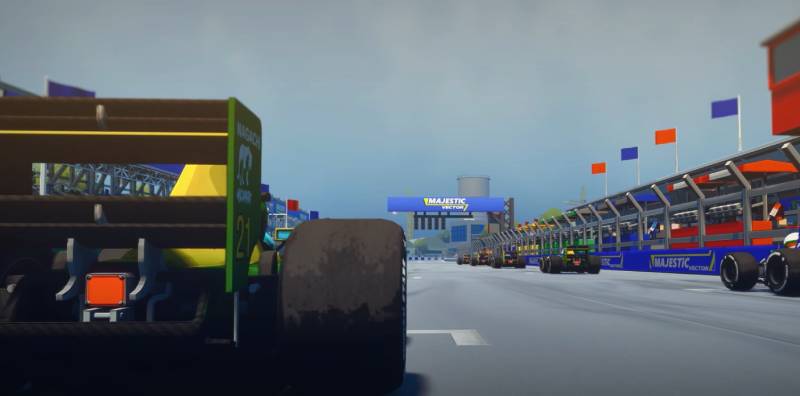
Alright, if you’re anything like me—someone who logs into Formula Legends daily just to max out lap times and hoard cash for that next car upgrade—you know the hustle is real. But hey, free rewards? Always worth a pit stop. I just ran through all the codes for September 2025, and here’s what’s actually working right now.
Let’s skip the fluff and get to what you’re here for: the code list.
| Code | Reward | Status | Notes |
|---|---|---|---|
| TURBOSEPT25 | 50,000 Cash | ✅ Active | Brand new drop – added Sep 18 |
| TRACKDAY | 25,000 Cash | ✅ Active | Still working since late August |
| GEARSHIFT | Free Mystery Part | ✅ Active | Might give you a rare one! |
| SPEEDFREAK | 30,000 Cash | ✅ Active | A favorite from the dev team |
| PITSTOPNOW | 15,000 Cash | ✅ Active | Small, but hey—free is free |
Now, here’s the interesting part: TURBOSEPT25 just dropped with the latest game update (v2.6.4, I think?). It came alongside some slick new liveries, a revamped tuning UI, and better AI in Career Mode. Honestly, the devs have been on fire lately. It feels like the community’s feedback is finally shaping the game—especially around multiplayer balance, which was a mess two months ago.
A quick heads-up from experience: don’t sit on these codes. A few from August expired quietly last week, and I missed one that had a full epic part reward. Brutal.
The Men Who Raced Before Racing Knew What It Was
You ever watch those grainy black-and-white clips of 1950s Grand Prix racing and think, How were they even alive after that corner? I do. Every time. Because here’s the thing: the early pioneers of Formula 1 weren’t just racers—they were something closer to daredevils with a mechanical addiction. And they didn’t just build the sport’s reputation; they defined its DNA, corner by corner, crash by crash.
Take Juan Manuel Fangio, for starters. Five world titles, sure—that’s what the record books tell you. But what they don’t tell you is how the man switched teams mid-season and still won championships. Try that now. You’d be out of the paddock by Tuesday. Fangio understood machinery like a surgeon understands anatomy. His driving wasn’t flashy; it was clinical. He knew exactly how hard he could push a car built like a tin can strapped to a bomb. He raced on circuits like the Nürburgring in cars with no seatbelts, minimal suspension, and brakes that would laugh in your face if you asked them to stop.
Now, compare that to Alberto Ascari, the meticulous Italian who seemed almost obsessive in his preparation. I’ve always felt Ascari was the closest thing F1 had to a chess grandmaster on wheels. His back-to-back titles in ’52 and ’53 came during a time when consistency was more valuable than raw aggression—and he nailed it. Smooth, methodical, and maybe a little too cautious, but it worked. Until it didn’t. His tragic death testing a Ferrari he wasn’t even supposed to drive… still haunts the sport, if I’m being honest.
And then there’s Stirling Moss—the best driver never to win a title. I’ve gone down so many YouTube rabbit holes watching Moss in action. You can tell he wasn’t racing for trophies. He raced because it meant something—because honor and sportsmanship still had a seat at the table. I respect that. He once refused to accept a win because he believed another driver was wrongly penalized. Can you imagine that happening today? Not a chance.
What I’ve learned diving into this era is that early Formula 1 was less about data and more about guts. These guys weren’t measuring tire degradation—they were feeling it. Through the steering wheel. Through their backsides. Through instinct.
And the rivalries? They weren’t PR-fueled storylines; they were actual life-or-death competitions between men who might not come home that evening. Post-war circuits were brutal. Spa. Monza. The original Silverstone. Racing on them was like sprinting blindfolded through a minefield.
So, if someone ever tells you racing was better back then, I won’t say they’re wrong—but I will say it was definitely braver.
That’s what makes these legendary 1950s drivers more than just names in a record book. They were the architects of madness. The first F1 champions. The true pioneers of motorsport. And honestly? Every time I see a modern driver hop out after a wreck, I silently thank the men who paved the way—usually on circuits paved with gravel, oil, and hope.
