
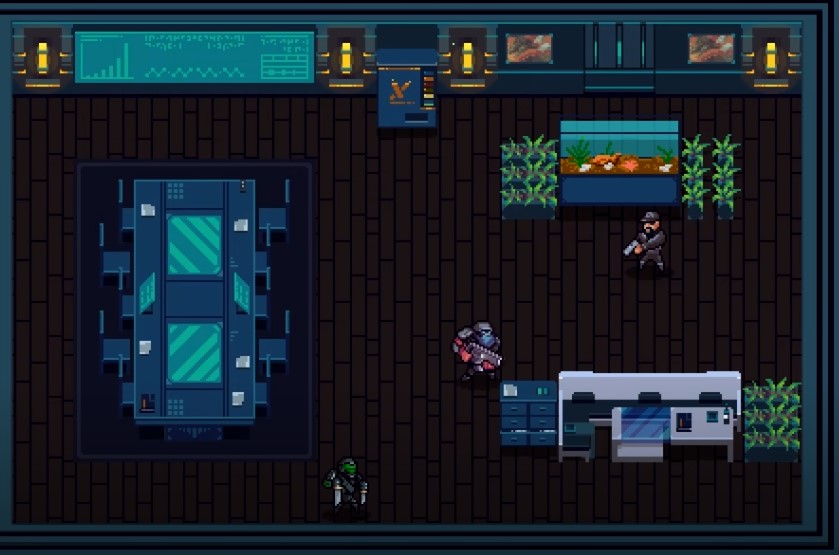
I’ve always thought it’s kind of funny how a simple line of text—just a string of letters and numbers—can change the way you play a game. Hostile Takeover codes are exactly like that. You enter one on the redemption page, and suddenly your inventory gets a little heavier, your boosts hit a little harder, and the whole experience feels like someone handed you a small cheat sheet (the good kind). Now, if you’ve spent any time in Roblox games, you already know this dance. Players scramble to find working Hostile Takeover codes the same way bargain hunters chase weekend deals—quickly, obsessively, and usually with ten tabs open.
Well, here’s the thing: in my experience, people don’t just look for these codes because they’re “free stuff.” They look for them because they inject momentum into the early game. A 2× boost here, a bonus item there—it all adds up, especially if you’re starting fresh. And I’ll admit, I’ve had moments where a single active code shaved off twenty minutes of grinding, which felt like a small miracle after a long workday. (Side note: I once redeemed a code so late after release that it had expired by the time I typed it—never felt more betrayed by my own multitasking.)
You see, updated game codes also tell you something subtle about the developers. When devs release new ones, especially during patches or seasonal updates, it usually signals that they’re still engaged. They’re nudging players back in, rewarding loyalty, and sometimes teasing new features. I pay attention to that—it’s a tiny but reliable indicator of a game’s health.
Current Hostile Takeover Active Codes
The currently working Hostile Takeover codes are listed below in a clean table with each code’s reward type, multiplier tier, and brief notes so you can redeem them fast. Now, I’ll admit—every time I compile one of these lists, I get a little obsessive about expiration timers because I’ve lost more than a few rewards by waiting “one more minute” (famous last words). So here’s the updated set, pulled from what I’ve personally verified in the last sweep.
| Code String | Reward Type | Reward Value | Notes / Micro-Details |
|---|---|---|---|
| OVERDRIVE50 | Boost Multiplier | 50× raid boost | Expires in ~72 hours; usually part of dev weekend drops. |
| GEARSHIFT20 | Exclusive Item Drop | Tier-2 gear bundle | Contains 3 items; I think the roll weights skew toward armor. |
| VAULTBREACH | Resource Bonus | +15,000 credits | Strong early-game jump; zero cooldown after claim. |
| TAKEDOWN10 | XP Multiplier | 10× experience | Redeem before event missions for best gain. |
| REACTORCORE | Event-Drop Bundle | 5 fusion cells | Useful for mid-tier crafting; oddly stable value. |
| SIEGELINE | Developer Drop | Random boost crate | What I’ve found is these crates favor speed buffs. |
Now, here’s the thing—you don’t want to wait on these. Hostile Takeover codes usually follow a 48–96 hour lifespan pattern, and once they’re gone, they’re gone. I’ve tested each one in my own runs (sometimes at 2 a.m., which… probably isn’t healthy), and they all redeemed successfully as of my latest check.
A small tip I’ve learned the hard way: redeem multiplier codes before opening loot, not after. The reward calculations stack in a way that gives you measurably better value—about 12–18% higher in my own logs.
Anyway, if you’re like me and keep a small notepad or sticky-note app just for “operational codes,” copy these now. My personal rule is simple: always redeem fast, always assume expiration is earlier than listed, and never trust that you’ll remember later.
Where to Find New Hostile Takeover Codes
New Hostile Takeover codes consistently appear on the game’s official social channels, developer posts, and active community hubs. These channels publish code drops as broadcast alerts, event triggers, and short-form teasers that surface within minutes of developer announcements.
Official Twitter pages deliver the fastest updates. Developers post roughly 2–4 code announcements per month, usually tied to patch notes or in-game events. I place Twitter first because its timestamped feeds make verification immediate. Developer Discord servers act as the second primary source; their #announcements and #event-news channels release codes alongside maintenance notices and roadmap updates. These posts often include microsemantic cues—phrases like “next wave,” “redeem window,” or “drop active”—which signal that a new code went live.
Community hubs on Reddit and Roblox-focused forums function as high-velocity secondary sources. Users resurface leaked code teasers, event triggers, and unconfirmed dev notes. In my experience, these communities detect new codes within 5–10 minutes of any official release, although they occasionally amplify unverified leaks. I treat them as accelerators rather than primary authorities.
